 Written by
  Edited by

A tax deed is a legal document that gives a government body the right to sell a piece of real estate for non-payment of taxes. When a real estate owner gets behind on property taxes, the city or county may place a tax lien on the property. If after a certain period of time, depending on the jurisdiction, the owner doesn’t pay the amount owed then the local government can sell the tax deed to the property at an auction. That can create a huge investment opportunity for you. Here’s what you need to know about such an opportunity.
If you’d need hands-on guidance in considering a tax deed to invest in real estate, consider enlisting the help of an expert financial advisor.
How Tax Deed Investing Works
Properties wind up at tax deed auctions because the owners did not pay property taxes. After a period of time that varies according to jurisdiction, the taxing authorities can place a tax lien on the property. After a certain period of time, the government can foreclose on the property and auction it.
Local governments post lists of foreclosed properties before the sales. Investors can obtain these lists, research the properties and decide where to submit bids. Auctions are often held online but may also be offline and require bidders to be present. Auctioneers typically set a minimum bid of the total of unpaid taxes, penalties and interest. Sometimes the minimum bid is set as a percentage of the market value.
The winning bidders are expected to place a down payment at the time of the auction. Then they pay the rest in cash, often within 24 hours but in some jurisdictions up to a few weeks later. The taxing government takes back taxes from the amount paid by the highest bidder. The rest, if there is any, usually goes to the mortgage lender.
The title to the property also must be cleared or cured after a tax deed sale. Curing the title can involve a title certification process using a title insurance agent, or a type of lawsuit called a quiet title action that removes other claims to ownership.
Once the title is cured, the new owner can begin realizing financial returns. Properties acquired through tax deed auctions are often fixed and flipped. They can also be resold as-is or rehabbed and kept for rental income.
Understanding Tax Deeds vs. Tax Liens
Despite the similar names, tax deed investing is very different from tax lien investing. Both involve bidding at auctions held to compensate local governments for unpaid property taxes. However, with tax deed investing, the successful bidder immediately gets title to the property. Tax lien investors aren’t acquiring title to any real estate. Instead, they’re buying the right to receive interest payments on the amount owed to the taxing authority.
Tax deed auctions are overseen at the local level and governed by a variety of state, city and county rules, regulations and laws. Only some states allow tax deed sales. Others only allow tax lien sales. Some operate a hybrid system combining both approaches.
Successful tax deed investing requires knowing local laws and procedures as well as local real estate markets. These complications and the risks keep many inexperienced real estate investors out of tax deed investing.
Why Tax Deeds Are Important
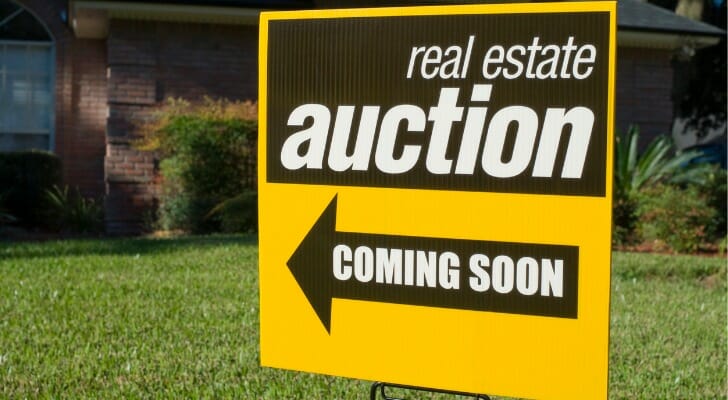
Tax deeds play a crucial role in real estate investing because they offer a legal pathway to acquire properties that have fallen into delinquency on property taxes. When a homeowner fails to pay property taxes, the local government can place a lien on the property and eventually sell a tax deed at auction to recover the unpaid balance. For investors, purchasing a tax deed means obtaining full ownership rights to the property, often at a fraction of its market value.
These transactions are vital not only for investors but also for municipalities. Tax deed sales help local governments recoup lost revenue needed to fund essential public services like schools, infrastructure and emergency response. Without this process, communities would face budget shortfalls caused by unpaid property taxes.
From an investor’s perspective, tax deeds represent a unique opportunity to build wealth through real estate while contributing to the community’s financial health. However, they also carry risks, such as potential liens, costly repairs or legal complications. Understanding how tax deed sales work, and performing careful due diligence before bidding, is key to turning these opportunities into profitable, responsible investments.
Risks of Tax Deed Investing
A major risk of tax deed investing is paying too much. Tax deed auctions may attract lots of bidders and it’s easy to overpay. Also, tax authorities may not allow inspection of the properties before the auction. Unexpected repairs can eat up an expected profit quickly.
Some states have a redemption period of up to a year or more after the auction during which the former owner can pay off the tax bill and regain ownership. This possibility, which happens often, is another risk of tax deed investing.
Few listed properties actually make it to auction, however, because the owners usually settle the tax bill beforehand. The risk of investing time and energy researching properties without ever being able to bid on them is one of the risks of tax deed investing.
Even when successful, tax deed investing also takes considerable time, effort and research. This can make the final returns unattractive compared to alternative investments.
Bottom Line

Tax deed auctions let investors acquire real estate that has been foreclosed because of unpaid taxes. Properties can be purchased at significant discounts to market value, but the complexity and risks of tax deed investing are also significant. It’s important to know what you’re getting yourself into before deciding to go down that route. However, if you do it right and find a good property it can be a very strong investment.
Tips for Real Estate Investing
- Consider talking to a financial advisor if you are interested in investing in real estate with tax deeds. Finding a financial advisor doesn’t have to be hard. SmartAsset’s free tool matches you with vetted financial advisors who serve your area, and you can have a free introductory call with your advisor matches to decide which one you feel is right for you. If you’re ready to find an advisor who can help you achieve your financial goals, get started now.
- There are other ways of investing in real estate than using tax deeds. Some of these are REITS, “house hacking” and flipping. Of course, real estate shouldn’t be the only type of investment you have. Getting the right balance of asset types in your portfolio can be accomplished by using an asset allocation calculator.
Photo credit: ©iStock.com/AlexRaths, ©iStock.com/KLH49, ©iStock.com/Eak8dda