 Written by
  Edited by
  Edited by

In recent decades, real estate investors have diversified their portfolios by capitalizing on emerging market opportunities like self-storage. Self-storage facilities serve as secure storage solutions for individuals and businesses, accommodating various products, materials and more. Given the high demand for additional space to store household belongings and business equipment, self-storage facilities have become indispensable nationwide. Here’s a look at how to invest in storage units.
For help figuring out your personal investing strategy, consider working with a financial advisor.
Buying Storage Units: The Basics
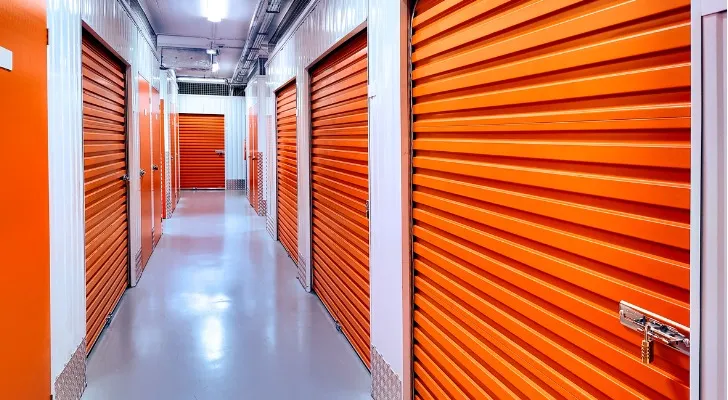
Self-storage investing means investing in storage units that individuals and businesses use to stow their spare belongings and assets. For example, a homeowner might need room for seasonal lawn equipment. For businesses, storage units can be used for surplus inventory instead of throwing it away. In either case, they’ll pay a storage facility a monthly fee to place their items in a secure unit. As an investor, you can own and operate a storage facility or purchase shares in a facility.
Self-storage is a solid investment for several reasons that attract investors. First, the asset has high earning potential. Storage units cost less than residential real estate and other forms of commercial buildings, meaning more money in your pocket. For example, Storeganise reported that the average profit margin for storage facilities is 41%.
Second, demand for self-storage continues to grow as baby boomers downsize and businesses shrink their workspaces. As a result, the risk of investing in self-storage is low due to high profit margins and continuous demand. Customers need storage whether the economy is strong or a market downturn occurs. Therefore, the industry is a viable way to diversify your portfolio.
The Self-Storage Market
The self-storage market has grown steadily over the past several decades, driven by population mobility, urbanization and lifestyle changes. As more people move for work, downsize in retirement or live in smaller homes, demand for extra storage space has increased. Businesses also use storage units for inventory, equipment and document storage, adding another layer of demand beyond individual renters.
One of the appealing aspects of the self-storage industry is its relatively resilient performance during economic shifts. During downturns, people may downsize or relocate, creating short-term storage needs. In stronger economic periods, consumer spending and business expansion can also boost demand. This countercyclical dynamic has made self-storage attractive to many real estate investors.
However, market performance varies by location. Oversupply in a particular area can drive down rental rates and occupancy levels, while high-growth regions may support premium pricing. Before investing, it’s important to assess local demographics, new construction activity and competition. Understanding these market forces can help determine whether self-storage is positioned for sustainable income and long-term growth in your target area.
Types of Self-Storage Facilities

Self-storage facilities can be classified based on their purpose and capacity. Each type of facility has its advantages and disadvantages.
Climate-Controlled Storage
Certain items and materials are susceptible to damage from heat, cold or extreme humidity. For example, art, furniture and musical instruments benefit from climate control. To safeguard these items, climate-controlled storage units are available.
As a result, a regulated environment and security are top priorities when storing fragile possessions. Because climate-controlled storage units cater to various market needs, they are more expensive, and investors can charge higher prices for their specialized services.
Drive-Up & Outdoor Storage
Outdoor or drive-up storage is the most widespread type. It consists of rows of units resembling garages. By pulling up the door, the customer has complete access to their storage unit. These facilities are the most affordable option available.
One of the benefits of outdoor storage facilities is that they require minimal maintenance and employees. In addition, they are user-friendly, making them popular among individuals needing storage space. Lastly, these storage centers can bolster their security through cameras, electronic gates and security guards.
Mixed-Use Storage
The self-storage industry serves a diverse range of customers with varying needs. To meet these niche demands, many storage facilities combine different services, resulting in mixed-use storage facilities.
A significant advantage of mixed-use storage facilities is the ability to cater to various needs. For example, a self-storage facility strategically located in an urban setting can help nearby residents with extra belongings while serving local businesses. This flexibility makes mixed-use storage facilities valuable assets, serving a broad customer base.
Vehicle Storage
Self-storage facilities also help customers with vehicles such as cars, boats or RVs. Vehicle storage is an ideal solution for those seeking a sheltered, locked parking spot.
Vehicle storage often offers additional services, such as temperature-controlled units to ensure the preservation of classic cars. As a result, customers turn to these facilities annually to protect their vehicles, especially near high-demand spots such as airports and harbors.
How to Invest In Self-Storage
Investing in self-storage can offer a mix of steady income and long-term appreciation, especially in areas with growing populations or limited housing space. Demand for storage units often rises during life transitions such as moving, downsizing or business expansion. Compared with some other types of real estate, self-storage facilities can have relatively low operating costs and flexible lease terms, which may support consistent cash flow. Here are four ways to invest in self-storage:
1. Purchase Shares in a Real Estate Investment Trust (REIT)
If you aren’t comfortable owning and operating an entire facility, you can invest in a real estate investment trust (REIT) instead. These companies allocate investors’ funds across various sectors, often specializing in a particular focus. So, finding a REIT specializing in storage units can give you exposure to this profitable industry.
2. Invest in a Publicly Traded Storage Business
Similarly, you can buy shares in corporate storage companies on the stock market. If the company does well and the stock price increases, you can sell your shares for a profit.
3. Buy an Existing Facility
You can get more involved by purchasing a self-storage facility of your own. This option means running the business (or hiring workers to do so) and collecting monthly payments from your customers. As a result, you have higher earning potential than investing in a REIT.
4. Develop Your Own Facility
If there aren’t any facilities for sale near you, building one yourself is another option. Remember, you must purchase a suitable plot of land and manage the facility’s construction. While doing so takes additional time and money, it’s a way into owning a storage facility and enjoying the profits.
As with any real estate investment, due diligence is essential. Understanding local demand drivers, economic conditions and long-term trends can help determine whether self-storage fits your overall portfolio strategy. Consulting with a financial advisor can help you weigh income potential against risk and ensure the investment aligns with your broader financial goals.
Drawbacks to Buying Storage Units
Despite the advantages of investing in self-storage, it’s essential to understand the potential challenges in this type of venture. Depending on your business model, financial circumstances and location, you’ll face different obstacles. Fortunately, you can adjust your approach as needed to overcome such hurdles.
First, managing client expectations requires a composed demeanor and a focused strategy. For instance, a customer who just lost their job and housing can come in, desperate for help and lacking the resources for a monthly payment. As the owner, you’ll have to decide how to go about the situation and risk losing money.
Furthermore, when competing against rivals who offer affordable storage spaces in prime locations like the city center, it’s best to research the local market. Then, you can evaluate your position compared to the competition and modify your approach to enhance your business.
Is Investing in Self-Storage Right For You?
Self-storage can be an attractive investment if you’re seeking steady income, relatively low operating complexity and exposure to real estate without the demands of residential tenants. Short-term leases allow operators to adjust rents more frequently, which can help respond to inflation or shifting demand. However, like any real estate investment, returns depend heavily on location, competition and effective management.
You’ll also need to consider how hands-on you want to be. Owning and operating a facility requires time, capital and a willingness to manage marketing, maintenance and customer service. Investing through REITs or private funds can offer a more passive approach, but you’ll give up direct control and accept market-driven volatility.
Ultimately, the right choice depends on your risk tolerance, liquidity needs and long-term financial goals. Self-storage may fit well within a diversified portfolio, particularly for investors looking to balance income and growth. Reviewing the opportunity with a financial advisor can help ensure it aligns with your broader investment strategy.
Bottom Line
Investing in self-storage can offer steady income potential, operational flexibility and exposure to a resilient segment of the real estate market. Whether you choose to own a facility directly or invest through REITs or private partnerships, success depends on location, demand trends and careful management. Like any investment, self-storage comes with risks tied to competition, financing and economic conditions.
Tips for Investing in Storage Units
- Self-storage units are excellent assets for a financial plan. However, it can be challenging to know how much cash to allocate toward it versus your other investments and priorities. Finding a financial advisor doesn’t have to be hard. SmartAsset’s free tool matches you with vetted financial advisors who serve your area, and you can have a free introductory call with your advisor matches to decide which one you feel is right for you. If you’re ready to find an advisor who can help you achieve your financial goals, get started now.
- Self-storage is just one way to invest in real estate. To explore the topic more deeply, here are three more ways to add real estate exposure to your portfolio.
Photo credit: ©iStock.com/AJ_Watt, ©iStock.com/onurdongel, ©iStock.com/rzelich