 Written by
 Edited by
 Edited by


You can buy bonds in several ways: directly from the U.S. government, through a bond fund or with the help of a broker. Understanding how to buy bonds starts with knowing the different types available, along with their associated risks and potential returns. While bonds can add stability and diversification to your portfolio, not all of them are as simple or predictable as they seem. Here’s what you need to know about these fixed-income investments and how to incorporate them into your financial strategy.
You can consider working with a financial advisor to see what role bonds could play in your investment portfolio or retirement plan.
How to Buy Bonds: A Step-by-Step Guide
If you’re interested in buying bonds, there are a few different options available to you. However, not all sellers are equal, as they each offer specific types of bond investments that may or may not be what you’re looking for. For instance, buying through a brokerage lets you purchase very specific bonds. On the other hand, buying through a bond fund is less specific, but much more wide-ranging. Here are three common ways to buy bonds:
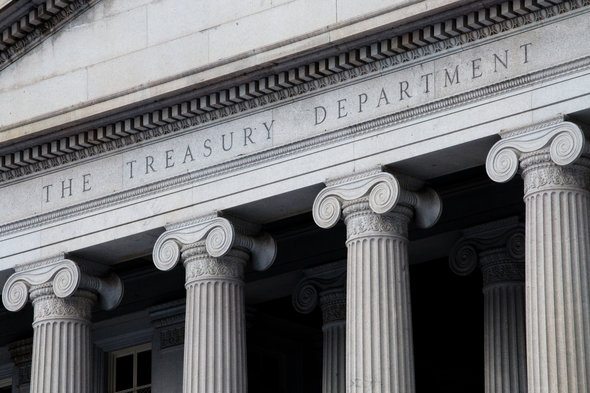
1. Buying Bonds Through the U.S. Treasury Department
One of the most direct ways to buy bonds is through the U.S. Treasury Department, which issues government-backed securities such as Treasury bills, notes, bonds and savings bonds. These bonds are considered among the safest investments because they’re backed by the full faith and credit of the U.S. government. Investors often use them to preserve capital or add stability to a diversified portfolio.
You can buy new Treasury bonds online by visiting TreasuryDirect. To set up a TreasuryDirect account, you must be 18 or older and legally competent. You will need a valid Social Security Number, a U.S. address and an account at a U.S. bank. The Treasury does not collect fees, nor does it mark up the bond’s price. Treasury marketable securities bought through TreasuryDirect have a $100 minimum purchase and are sold in $100 increments. Noncompetitive bids are generally limited to $10 million of each security type in a single auction.
2. Buying Bonds Through a Brokerage
Most online brokerages sell Treasury bonds, corporate bonds and municipal bonds. Brokers like Fidelity, Charles Schwab, E*TRADE and Merrill Edge offer extensive bond listings. However, the purchasing process through an online brokerage is nowhere near as straightforward as through TreasuryDirect. The total cost can also vary because brokers may charge commissions, markups or markdowns. Secondary-market bond prices can differ based on market conditions.
3. Buying Bonds Through a Mutual Fund or ETF
A bond fund is a good option if you don’t have the cash to spend on a diverse array of individual bonds. Many corporate and municipal bonds are commonly quoted in $1,000 face-value increments, although minimum purchase requirements vary and Treasury marketable securities can be purchased in $100 increments through TreasuryDirect. With a bond fund, you can get diversity for a lower cost. However, bond funds don’t have a set maturity like individual bonds, so you may see your interest payments vary and your income is not guaranteed. Bond mutual funds and ETFs can also lose value when interest rates rise, credit conditions deteriorate or the securities they hold decline in price.
How to Buy Bonds: Other Considerations
Bond buying can be a tricky process. This is particularly true if you’re buying bonds on the secondary market or if you aren’t buying a bond directly from the underwriter. To ensure you’re getting a good deal, here are the main things to take note of before buying a bond:
- Credit Ratings: The biggest factor to look out for is whether the company can actually pay its bonds. You can figure this out by looking at the credit ratings issued by rating agencies like Moody’s, S&P Global Ratings and Fitch. Higher ratings generally indicate lower perceived credit risk, while lower ratings indicate greater default risk. U.S. Treasury securities are backed by the full faith and credit of the U.S. government, but they should not simply be described as receiving the same “AAA” rating from every major rating agency.
- Duration: You should also note a bond’s duration, which Vanguard explains “represents a period of time, expressed in years, that indicates how long it will take an investor to recover the true price of a bond, considering the present value of its future interest payments and principal repayment.” A bond’s duration is an indicator of how sensitive the bond will be to changes in interest rates.
A longer duration translates to greater fluctuation when interest rates change. When interest rates rise, the value of a bond falls. Holding an individual bond to maturity can avoid having to sell at a market loss, but receiving all scheduled interest and principal still depends on the issuer making the required payments.
- Fees: You should always be aware of the fees that a brokerage can tack onto a bond’s cost if you aren’t buying directly from the underwriter. You can make sure you’re getting a fair deal by taking advantage of publicly available data on the pricing of bonds you’re looking to buy, or bonds with similar maturities, credit ratings and interest rates.
Before buying any investment, including bonds, it’s important to consider talking to a financial advisor to get personalized investment advice.
How to Buy Bonds: Choosing a Bond for Your Portfolio
Selecting bonds for your investment portfolio hinges on several key factors, such as your risk tolerance, tax considerations and investment timeline. When you’re looking at how to buy bonds, here are two things to take into consideration.
1. Diversify with Different Bond Types
A well-rounded bond allocation often includes a mix of corporate, federal and municipal bonds. This diversification strategy helps to spread risk and reduce reliance on any single issuer or bond category, although diversification does not guarantee against losses or protect principal. By including various bond types, you can also stagger their maturities, which is a smart way to manage interest-rate risk over time.
Building a diversified bond portfolio can be challenging due to the typical $1,000 increments in which many corporate and municipal bonds are sold. This requirement can make it difficult for investors with limited capital to achieve the desired level of diversification. However, there are alternative strategies to consider.
2. Simplify Investments with Bond ETFs
One effective solution is to invest in bond ETFs, which offer diversified exposure to different bond types without the need for a large initial investment. These funds allow you to mix and match various bond categories, providing flexibility and reducing concentration risk. Bond ETFs still carry risks including interest-rate, credit and market risk. Their share prices can decline. By broadening your exposure through bond ETFs, you can effectively manage risk while working towards your financial goals.
Who Issues Bonds and What Are They For?
There are several categories of bond issuers, from companies to federal and state governments. How safe a bond is largely depends on who the bond issuer is. That’s because bonds are typically backed by the entity that issues them. Below is an overview of the usual bond types and issuers on the market:
- Corporate Bonds: Companies issue corporate bonds. Corporate bonds’ safety varies a lot, depending on the company’s credit ratings. Companies with relatively strong credit ratings issue investment-grade corporate bonds, which have lower interest rates because of the safety of the investment. Companies with lesser credit ratings issue high-yield bonds, or junk bonds. These bonds have higher interest rates to reflect that riskiness, so if the company makes good on the bond, there’s a larger payout.
- Agency Bonds: Government-sponsored enterprises like Fannie Mae or Freddie Mac issue agency bonds. Agency bonds aren’t quite as safe as Treasury bonds. Securities issued by Fannie Mae, Freddie Mac and most other government-sponsored enterprises are generally not guaranteed by the U.S. Treasury or backed by the full faith and credit of the federal government. Their credit risk depends on the issuing entity and the terms of the security. Some securities issued or guaranteed by federal agencies, such as Ginnie Mae, do carry the full faith and credit of the U.S. government.
- Municipal Bonds: States, cities and local governments issue municipal bonds. The safety of these bonds varies. In some instances, a municipal bond may be insured. In that case, an insurance company will have to make good on the bond if the municipal defaults. Interest on qualifying municipal bonds is generally exempt from federal income tax, although some municipal-bond interest can be taxable and state tax treatment varies.
- Treasury Bonds: The U.S. Treasury Department issues Treasury bonds. These bonds are the safest of the safe types of bonds and are considered very long-term investments. Treasury bonds pay interest every six months until they mature and Treasury currently issues long-term bonds with maturities of more than 10 years, including 20- and 30-year securities.
Bonds vs. Stocks
Bonds are generally a far safer investment than stocks. This is because the future performance of a company is hard to predict, whereas the terms of bonds are much clearer. That doesn’t mean bonds are risk-free, though. There’s always the chance that a bond issuer will default and not pay the debt.
While bonds’ lesser risk diminishes the chances of unexpected failure, it also lowers the chances of unexpected success. Because a stock’s value varies after you buy it, you’ll always have the chance of seeing a stock’s value soar. Individual bonds can also rise in market value after purchase, particularly when prevailing interest rates fall or the issuer’s perceived credit quality improves, although their upside is generally more limited than that of stocks.
Having a mix of bonds and stocks in your portfolio is a great way to take advantage of the benefits of diversification. In short, your portfolio will contain both the relative safety and stability of bonds, while taking potential money-making risks with stocks.
Stocks vs. Bonds: Key Differences
| Feature | Stocks | Bonds |
|---|---|---|
| Risk Level | High: Stock prices fluctuate and companies may fail | Generally lower for high-quality bonds, but risk varies by issuer, maturity and bond type |
| Liquidity | High: Stocks are actively traded on exchanges and can be sold quickly | Moderate: Some bonds trade frequently, but others may have low liquidity |
| Income Potential | Higher potential: Stock prices can rise significantly and dividends may be paid | Often more predictable for fixed-rate individual bonds held to maturity, but prices can rise or fall before maturity and payments depend on the issuer |
| Market Sensitivity | Highly sensitive to market trends, company performance and economic conditions | Affected by interest rates, inflation and credit risk |
| Maturity Date | No maturity: Stocks can be held indefinitely | Individual bonds generally have stated maturity dates; bond funds typically do not |
| Investment Purpose | Growth: Best for long-term investors seeking capital appreciation | Often used for income generation, diversification and capital preservation, depending on the bond |
| Best For | Investors willing to accept volatility for higher returns | Investors seeking income or lower volatility who understand the bond’s credit, interest-rate and liquidity risks |
Bottom Line

Bonds might be a safer investment than stocks, but they’re certainly not foolproof. Be mindful of the bond issuer’s credit rating and the bond’s duration before putting money out. If you’re buying bonds from a brokerage, do your research to avoid excessive fees. Though it’s not advisable to build an entire portfolio of bonds, bonds can be a good passive investment to make while you manage riskier investments.
Tips for Building a Financial Portfolio
- A financial advisor can assess your entire financial situation and determine which investments are truly best for your portfolio. Finding a financial advisor doesn’t have to be hard. SmartAsset’s free tool matches you with vetted financial advisors who serve your area and you can have a free introductory call with your advisor matches to decide which one you feel is right for you. If you’re ready to find an advisor who can help you achieve your financial goals, get started now.
- Diversify. Don’t put all your eggs in one basket. The healthiest portfolio boasts a variety of investments across market categories. That way, if one of your investments suffers a downturn, your entire portfolio won’t suffer.
- Invest for the long term. You should avoid acquiring investments that you won’t want to keep for long. Instead, opt for investments that you’re confident will grow more valuable over time.
Photo credit: ©iStock.com/inte2000, ©iStock.com/rrodrickbeiler, ©iStock.com/phongphan5922