 Written by
  Edited by

There comes a time when businesses decide to take the plunge and go from being privately held companies to public ones. With this move, business owners can sell stocks to the general public rather than just a few shareholders. In stock market terms, this is known as seeking an initial public offering (IPO).
If you’re wondering whether to invest in an IPO, consider discussing your opportunities with a financial advisor.
Private vs. Public Companies
A company can be part of either the private or public sector.
If it’s a private company, that means it’s owned by a small group of people. Private businesses can have multiple investors with equity stakes in the company, but because they’re private, their stock is not traded on a public exchange.
Most privately held companies are on the smaller side, but there are a number of large, successful businesses, such as IKEA and Chick-fil-A, that have never issued stock via an initial public offering (IPO).
Businesses that plan to let the general population buy company shares can have an IPO. In layman’s terms, an IPO marks the first time that a company sells stock to the public. Also known as going public, this is a lengthy and complex legal process that typically takes six months to over a year to complete.
Once a company goes public, it can no longer make all of its financial decisions internally. Instead, it submits its financial documents to the Securities and Exchange Commission (SEC) quarterly. This is complicated by the fact that, unlike private businesses, public companies can have thousands of shareholders at a time.
How to Take a Business Public
To be officially listed on a public exchange, a company must first choose a bank or financial firm, such as Morgan Stanley or Credit Suisse.
The investment bank serves as the underwriter and takes the lead in helping set up the IPO. Often, more than one bank gets involved to reduce their overall risk when selling the company’s stock.
The company and its underwriters have to decide the type of stock they want to sell, as well as the price for the IPO. Generally, securities can be sold as common stocks or preferred stocks.
After that, the bank will draw up a registration statement, known as a preliminary prospectus or red herring. This compiles information about the company’s financial status, legal issues and existing ownership stakes before being sent to the IRS for review.
In the meantime, the company may promote the upcoming IPO through road shows held across the nation. Using the red herring, the company provides interested investors with facts about itself, including its leaders, finances and potential for success in the stock market.
A company’s prospectus might undergo several edits, but once approved by the SEC, the company can set a price for its shares and choose a date to go public. These last details go into a final prospectus.
Once the company goes public, investors can buy stock directly from the company or others in the stock market.
The Benefits of Going Public
There is one major reason why companies do IPOs: becoming a publicly traded company can provide a business and its investors with more money.
However, you won’t likely see any random mom-and-pop shop with an IPO. Having one signifies a degree of status for your company where it has reached the point where it either needs more funding to expand or wants to reward its owners with a fatter paycheck.
With this extra cash, a business can open a branch in a new city or attract top-notch employees who want a job with stock options. Working for a business traded publicly on the Nasdaq can carry more prestige than working for a company that offers nothing but a basic 401(k) plan in its benefits package.
Why an IPO Could Be a Bad Idea
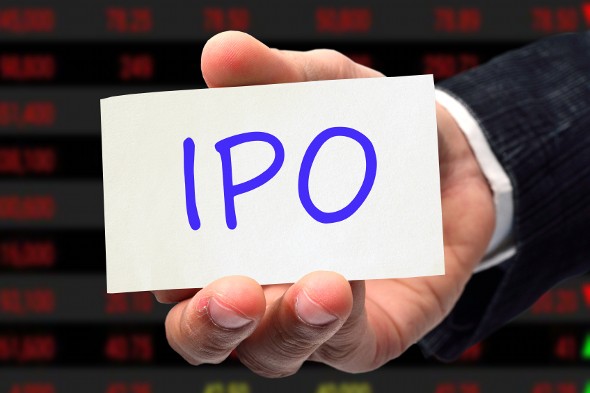
While going public has its perks, it has drawbacks, too, as the IPO process can take longer than anticipated.
Furthermore, there is a certain level of risk involved. Even if you have stocks on a major exchange, there’s no guarantee that they will perform well or provide a decent return rate.
For example, Facebook’s IPO got off to a rocky start. There was significant confusion surrounding its first trading day, causing some shareholders to file lawsuits against the tech giant. Unexpectedly, its stock tanked before it finally recovered.
Any publicly traded company must abide by stringent rules and guidelines, including consulting its board of directors before making major decisions. Furthermore, when a company goes public, all its private business details become public.
Another factor to keep in mind is cost because an IPO doesn’t come cheap. A company will likely need millions of dollars to cover the cost of road shows, accounting and legal fees, in addition to what it owes its underwriters and directors.
How IPOs Work for Investors
For retail investors, an IPO marks the first time a company’s shares become available on a public stock exchange.
In most cases, retail investors cannot invest in an IPO at the initial offering price. IPO shares are typically allocated to institutional investors and high-net-worth clients of underwriting banks, with most individual investors gaining access only after public trading begins.
The IPO price is set before trading starts and does not reflect real-time market demand. Once the stock begins trading, its price can move quickly in response to supply and demand. This is why IPO stocks often open at a price higher or lower than the original offering price on the first day of trading.
Many newly public companies are subject to lock-up periods, which usually last 90 to 180 days. During this time, insiders such as executives and early investors are restricted from selling their shares. When lock-up periods expire, additional shares may enter the market, potentially affecting the stock’s price.
IPO stocks tend to experience higher volatility than established public companies. Limited trading history, heavy media attention and uncertainty around future earnings can all contribute to sharp price swings in the early months after listing. Some IPOs rise quickly, while others decline shortly after trading begins.
After the IPO, the company’s shares trade like any other public stock. Investors can buy or sell shares through a brokerage account, review quarterly financial reports and track performance over time.
At that stage, the stock’s value is driven by the company’s financial results, growth prospects and broader market conditions rather than the IPO itself.
Bottom Line

Before going public, consider whether your company can handle having an IPO. You could make millions, but first you must sacrifice your privacy, time and a lot of money upfront. Many will also consider an IPO to be a risky investment, and it is difficult to rebound quickly from the bad PR of an unsuccessful IPO. You should consider an IPO carefully, weighing all the pros and cons before making a final decision.
Tips for Investing
- Whenever you’re considering investing in any stock, especially an IPO, it’s important to get professional advice. A financial advisor can analyze an investment and decide if it fits in with the financial goals you want. If you don’t have a financial advisor, finding one doesn’t have to be hard. SmartAsset’s free tool matches you with vetted financial advisors who serve your area, and you can interview your advisor matches at no cost to decide which one is right for you. If you’re ready to find an advisor who can help you achieve your financial goals, get started now.
- When you want to see how investing in an asset could impact your portfolio, try using our free asset allocation calculator.
Photo credit: ©iStock.com/Squaredpixels, ©iStock.com/Kraivuttinun, ©iStock.com/Photodjo