 Written by
  Edited by

Pittsburgh has come a long way from its reputation as a gritty steel town. Today, it’s known for its thriving healthcare and technology sectors, distinctive neighborhoods, professional sports teams and relatively affordable cost of living compared to many other major U.S. cities. But before you pack your bags, it’s worth understanding what day-to-day life is really like. From snowy winters and steep hills to a vibrant brewery scene and world-class museums, here are 12 things to know before moving to Pittsburgh.
Before you make a big life decision, like moving, consider talking to a financial advisor to talk about your long-term financial picture.
1. Pittsburgh Has Been Viewed in a Better Light Recently
Pittsburgh has spent decades reinventing itself after the decline of the steel industry, and in recent years that transformation has earned increasing national recognition. The city is now known as a hub for healthcare, higher education and technology, with growing strengths in robotics, artificial intelligence and life sciences.
At the same time, its relatively affordable housing, vibrant cultural scene and distinctive neighborhoods have helped it appear regularly on lists of the country’s best places to live. The affordable city has been compared to both Portland, Oregon and Brooklyn, New York.
2. Driving in Pittsburgh Takes Some Getting Used To
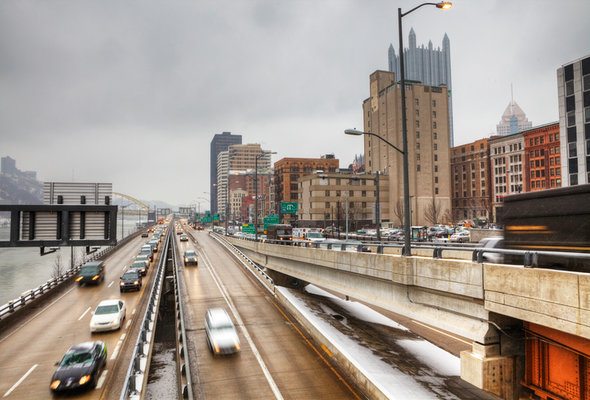
Pittsburgh is pretty much a driving city. If you can afford a car, you’ll be glad to have it. Just be prepared for the winding, crisscrossing highways and bridges. You’ll also have to get used to driving in the city’s winter weather.
3. It’s a Big Beer Town
Pittsburgh has a deep beer culture that extends well beyond its hometown Iron City label. The Pittsburgh Brewers Guild represents more than 40 craft breweries, with taprooms and brewpubs spread across neighborhoods such as Lawrenceville, Millvale, Sharpsburg and the North Side. Local options range from Penn Brewery’s traditional German-style lagers to experimental ales, hazy IPAs, stouts and seasonal releases from smaller producers.
4. The Cost of Living in Pittsburgh is Low
The cost of living in Pittsburgh is on the low side for a sizable city. If you’re fed up with the high cost of living in some of the country’s other large metro areas, moving to Pittsburgh might be just what you need. If you make the move, Pittsburgh’s top 10 financial advisor firms can advise you on how to invest the money you’re saving.
Related Article: The Best Cities for Movie Lovers
5. Yinz
“Yinz” is a treasured piece of Pittsburgh slang. It’s a second-person plural, similar to y’all. It may sound a little foreign to your ear when you first move to Pittsburgh, but we’re guessing you’ll pick it up before long.
6. Pittsburgh is a City of Bridges
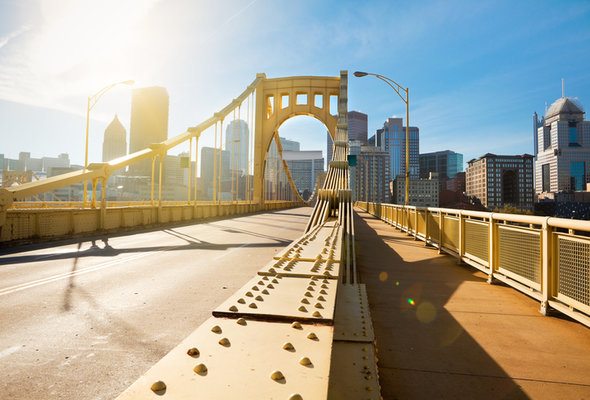
Pittsburgh has some beautiful bridges across its rivers and ravines. The bridges make for beautiful spots for checking out the skyline or watching the fireworks on the 4th of July. They also provide one of Pittsburgh’s nicknames, “City of Bridges.”
Check out current mortgage rates in Pennsylvania.
7. There Are World-Class Museums in Pittsburgh
Pittsburgh’s reputation as a cultural destination is reflected in its impressive collection of museums. The city is home to the four Carnegie Museums, including the Carnegie Museum of Art and the Carnegie Museum of Natural History, which features one of the country’s premier dinosaur fossil collections. Pittsburgh is also home to the Andy Warhol Museum, the largest museum in North America dedicated to a single artist, showcasing the life and work of the Pittsburgh-born pop art icon.
8. Winters in Pittsburgh Can be Harsh
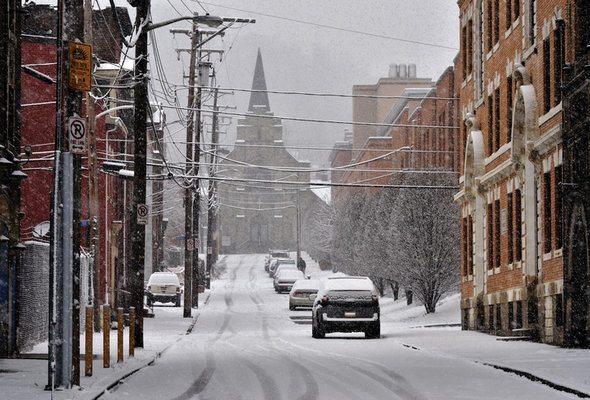
If you’re moving to Pittsburgh, be prepared for cold, gray winters. January temperatures typically range from about 23°F to 39°F, and the city averages roughly 44 inches of snow each year. While snowfall can vary from winter to winter, icy roads, freezing temperatures and occasional winter storms are all part of life for residents.
Check out our Pennsylvania tax calculator.
9. Allegheny Cemetery is Worth a Visit
Pittsburgh boasts a large garden cemetery with some stunning mausoleums. It’s worth a visit, even if you don’t usually go in for cemetery touring. Allegheny Cemetery is one of the oldest rural cemeteries in the country, encompassing hundreds of acres. You might even see deer grazing in the grass.
10. Pittsburgh Boasts a Funicular
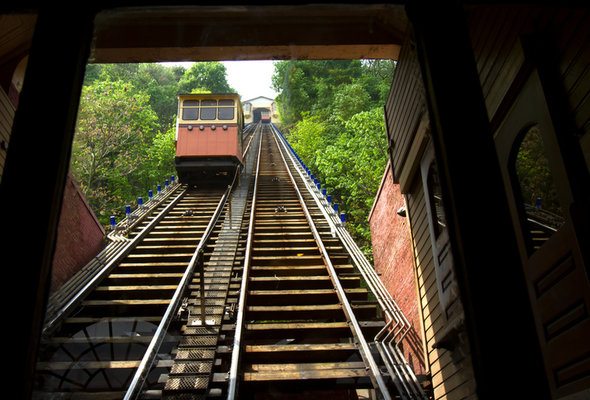
If you’ve never taken a funicular, moving to Pittsburgh is the perfect opportunity to take your first ride. Sure, it’s a little touristy, but it will take you up to a neighborhood with splendid views, and it’s a piece of Pittsburgh history.
11. Pittsburgh Sports Fans Are Intense
Sports are woven into everyday life in Pittsburgh, where residents proudly wear black and gold and rally behind the city’s professional teams year-round. The Steelers, Penguins and Pirates have loyal fan bases, and game days can transform neighborhoods, sports bars and downtown streets into gathering places filled with passionate supporters. Even if you’re not a die-hard fan, it’s hard not to notice the excitement surrounding football Sundays or playoff hockey.
12. You’re Not Far From Fallingwater

OK, so it’s not in Pittsburgh, but Fallingwater is close enough to be a day trip from Pittsburgh. Visiting the Frank Lloyd Wright-designed home is a chance to take in one of the country’s most iconic pieces of architecture. We’re guessing that any visitors you have after moving to Pittsburgh will want to check out Fallingwater, too.
Bottom Line
An older article in Pittsburgh Magazine called Pittsburgh as “A City Transformed.” If you want to be part of that transformation (or see Pittsburgh before the transformation is complete), why not move to Pittsburgh? The city offers plenty of amenities, but with a low cost of living.
Next Steps
- If you want help financially transitioning to the Steel City or meeting your financial goals in general, talking to a financial advisor might be useful. Finding a financial advisor doesn’t have to be hard. SmartAsset’s free tool matches you with vetted financial advisors who serve your area, and you can have a free introductory call with your advisor matches to decide which one you feel is right for you. If you’re ready to find an advisor who can help you achieve your financial goals, get started now.
- It’s also a good idea to understand how your new location will impact your new budget before you make the move. SmartAsset’s free budget calculator can give you a sense of the average budget of a person in your new neighborhood.
Photo credit: ©iStock.com/SeanPavonePhoto, ©iStock.com/hstiver, ©iStock.com/sdominick, ©iStock.com/bgwalker, ©iStock.com/karenfoleyphotography, ©iStock.com/Supercel7