 Written by
  Edited by
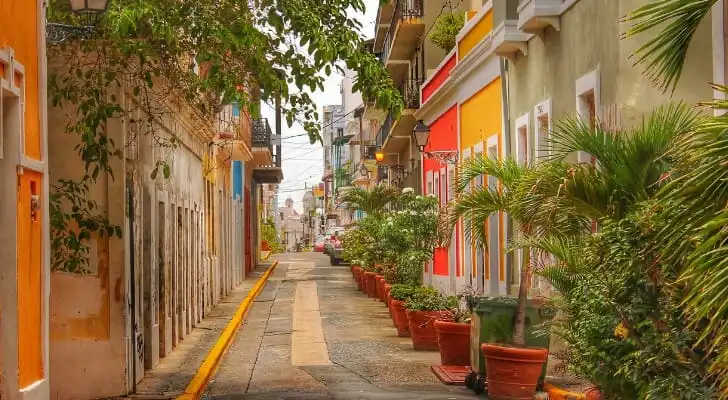
Puerto Rico is famous for its tropical climate and sunny beaches, which make it a particularly attractive vacation destination. However, the island, which has a population of approximately 3.2 million, also boasts several financial perks for retirees looking for a place to settle down. Retiring here is an especially attainable dream for U.S. residents, as they won’t have to go through the hassle of getting a visa. Here is a breakdown of the basics of retiring in Puerto Rico.
A financial advisor can help you create a retirement plan for your needs and goals in Puerto Rico.
Cost of Retiring in Puerto Rico
Numbeo.com, a database that calculates and compares various economic factors, reports that, as of 2025, it costs an average of 9.7% less to live in Puerto Rico than it does in the rest of the U.S. The reduced cost to rent here is far more significant – 50.8% lower than in the rest of the U.S. So you would likely save a significant amount on housing and have more money to spend elsewhere.
Total monthly expenses should typically be about four times your monthly rent, so you can expect to retire comfortably in Puerto Rico at about $2,000 per month. Even the more expensive parts of the island are still less expensive than most major U.S. cities. Frugal spenders should be able to live well while enjoying everything that makes Puerto Rico a desirable country to reside in.
While less expensive than the continental U.S., Puerto Rico is more expensive than the Dominican Republic and several other Caribbean locations.
Housing in Puerto Rico
In Puerto Rico, the rent for a one-bedroom apartment in a city center costs just under $900 per month. The same apartment outside of the city will run you closer to $614 a month. If you’re looking to buy an apartment, the price per square foot is $232.55 in the city center and just $155.37 per square foot outside of the city. In the U.S., an apartment goes for $1,743.33 per square foot in a city center and $1,438.45 outside of a city center, according to Numbeo.
Housing is one of the cheapest parts of retiring in Puerto Rico. The island is a U.S. territory, so it is well-developed. However, it’s still important to do sufficient research when considering places to live, as some areas lack the infrastructure that you might be used to in America. You’ll also want to be wary of how susceptible your residence is to hurricanes and tropical storms.
Healthcare in Puerto Rico

Since Puerto Rico is part of the U.S., your Medicare card works just as well as it would anywhere in the U.S. Private insurance is also a solid option for retirees. It’s typically far less expensive than in the U.S. and carries lower co-pays and you’ll still have access to the same care you would stateside.
Healthcare infrastructure is widespread in Puerto Rico, as there are over 90 hospitals on the island and plenty of clinics and pharmacies. That said, doctor’s offices and hospitals outside major cities tend to be more run down, with fewer doctors on staff and less equipment. You’ll want to look in and around major cities, particularly San Juan, for the best healthcare.
Get a comprehensive look at your retirement outlook. SmartAsset’s retirement calculator combines savings projections, income estimates and longevity scenarios in one place.
Taxes in Puerto Rico
Retiring in Puerto Rico becomes an even more attractive option when you consider the generous tax policy known as the Individual Investors Act. Under this act, residents of Puerto Rico are exempt from paying island or federal income taxes on dividends, interest and capital gains.
Residents are also exempt from paying U.S. federal tax on any income that comes from within Puerto Rico. Any employment income generated within Puerto Rico will only be subject to island tax. To be considered a resident and for these benefits to kick in, you’ll need to spend at least 183 days a year on the island.
With an 11.5% sales and use tax on most goods and services, Puerto Rico has a particularly high sales tax. This is worth considering if you want to retire here. For retirees, a significant chunk of monthly spending will likely be subject to this high sales tax.
Drawbacks of Retiring in Puerto Rico
Hurricanes are a main concern for anyone considering retiring in Puerto Rico, and the island was devastated by Hurricane Maria in 2017. Although you can take steps to protect your home or rental property, catastrophic storms will inevitably come around. So if you decide to retire in Puerto Rico, make sure you’re prepared for this risk. You should also be prepared to pay more in home or renters insurance due to the chances of a devastating storm.
Puerto Rico is popular for tourists and retirees alike, but it’s not without its downsides. The island is home to mosquitoes, scorpions, sand fleas, mongooses and other critters that can bite and spread disease. Public transport is widely regarded as poor.
Sanitation standards in Puerto Rico aren’t as rigorous as what you’d typically find in the U.S., especially after Hurricane Maria. Swimming in or drinking tap water could lead to contracting a parasitic infection known as schistosomiasis. Unless you live in a major area like San Juan, or even if you do, it’s best not to drink tap water.
The Puerto Rican economy is also not particularly healthy, and many are still suffering in the aftermath of Hurricane Maria. Even though the island is still considered a safe place to retire, violent crime rates have risen in the past few years.
Bottom Line

Puerto Rico offers an attractive retirement destination for many Americans, thanks to its low cost of living, stunning landscapes, and warm tropical climate. Retirees can also benefit from affordable healthcare, widespread English proficiency and significant tax incentives. However, it’s important to consider potential challenges, such as safety and sanitation concerns, before making the move.
Tips for Helping You Save for Retirement
- Before you decide to retire in Puerto Rico, it might be a good idea to speak with a financial advisor. Finding a financial advisor doesn’t have to be hard. SmartAsset’s free tool matches you with vetted financial advisors who serve your area, and you can have a free introductory call with your advisor matches to decide which one you feel is right for you. If you’re ready to find an advisor who can help you achieve your financial goal, get started now.
- Puerto Rico is a relatively inexpensive place to retire, and your Social Security benefits may be enough to cover most of your expenses, depending on your benefit amount and cost of living. Use our Social Security calculator to see just how much of your expenses will be covered by Social Security.
Photo credit: ©iStock.com/Dan Barone, ©iStock.com/dbvirago, ©iStock.com/AvailableLight